National Development Planning Commission
National Development Planning Commission
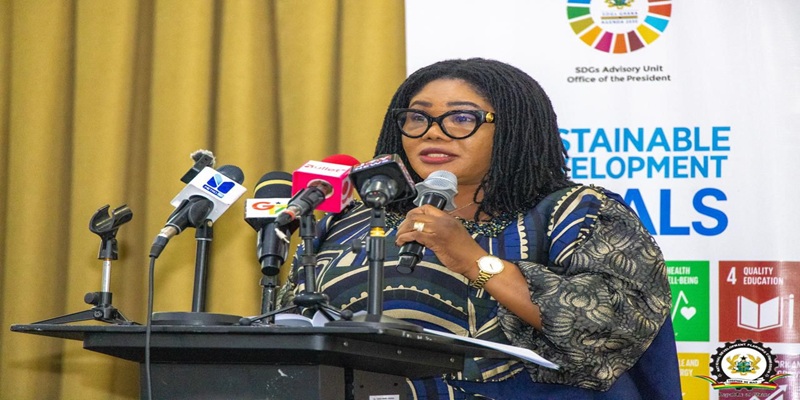
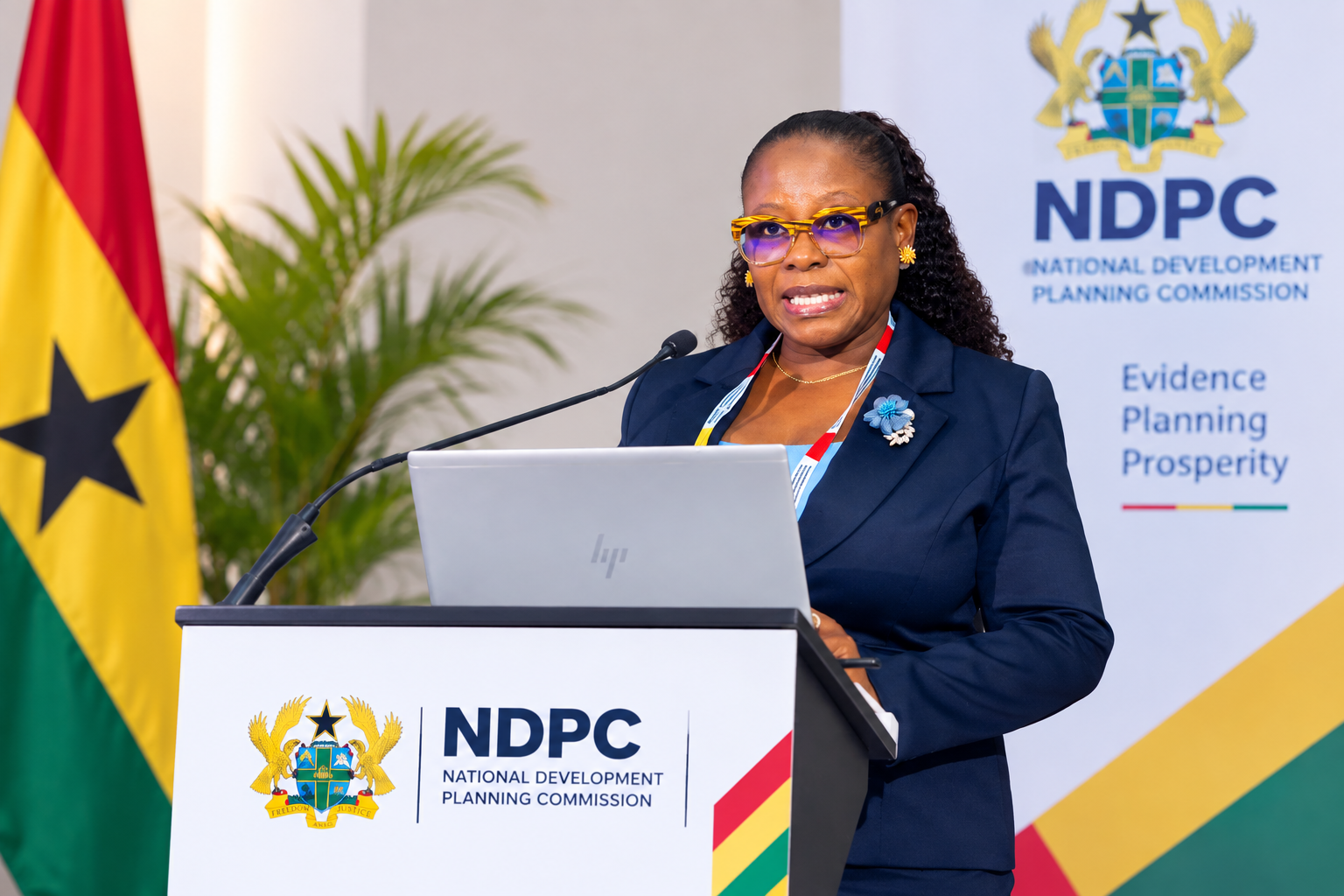
Maternal mortality in Ghana is more than a health problem. It is a gender equality, human rights and development crisis, according to Hon. Agnes Naa Momo Lartey, Minister for Gender, Children and Social Protection.
Speaking at a High Level Dialogue on Maternal Mortality Reduction, she emphasised that women are dying not only from medical complications but also from delayed decision-making at the household level, poverty, weak emergency transport and referral systems, harmful cultural practices, and the silencing of women’s voices, particularly in rural and hard to reach communities.
“The consequences of maternal deaths are far reaching, resulting in child malnutrition, school dropouts and household poverty, while depriving communities of caregivers, entrepreneurs and local leaders,” she added.
Preliminary data indicate that nearly 900 women died between January and November 2025, while an estimated 2,323 maternal deaths occur annually. This means that a woman dies every three hours while giving life.
The Minister stressed that responsibility for saving mothers’ lives extends beyond the health sector to district assemblies, road contractors, finance officers, traditional authorities and community leaders.
Highlighting the urgency of the situation, the Deputy Chief of Staff, Hon. Oye Bampoe Addo, disclosed that nearly 900 women have died from pregnancy and childbirth related complications in 2025 alone. She described this figure as clear evidence that incremental progress is no longer sufficient.
“The data are clear, and the human stories behind the data are even more compelling. Progress has stalled, and small, gradual improvements will not reverse this trend,” she said, characterising maternal mortality as a national emergency that demands coordinated, cross sectoral action.
Hon. Oye Bampoe Addo commended the support of the United Nations Population Fund, the National Development Planning Commission and the SDGs Advisory Unit, describing their collaboration as critical to sustaining momentum and ensuring accountability.
Dr. Hafez Adam Taher, Director of Technical Coordination and Health Planning, outlined specific interventions being implemented to strengthen the health system’s response to maternal mortality. These include strengthening community level maternal care, retooling hospitals and improving referral systems.
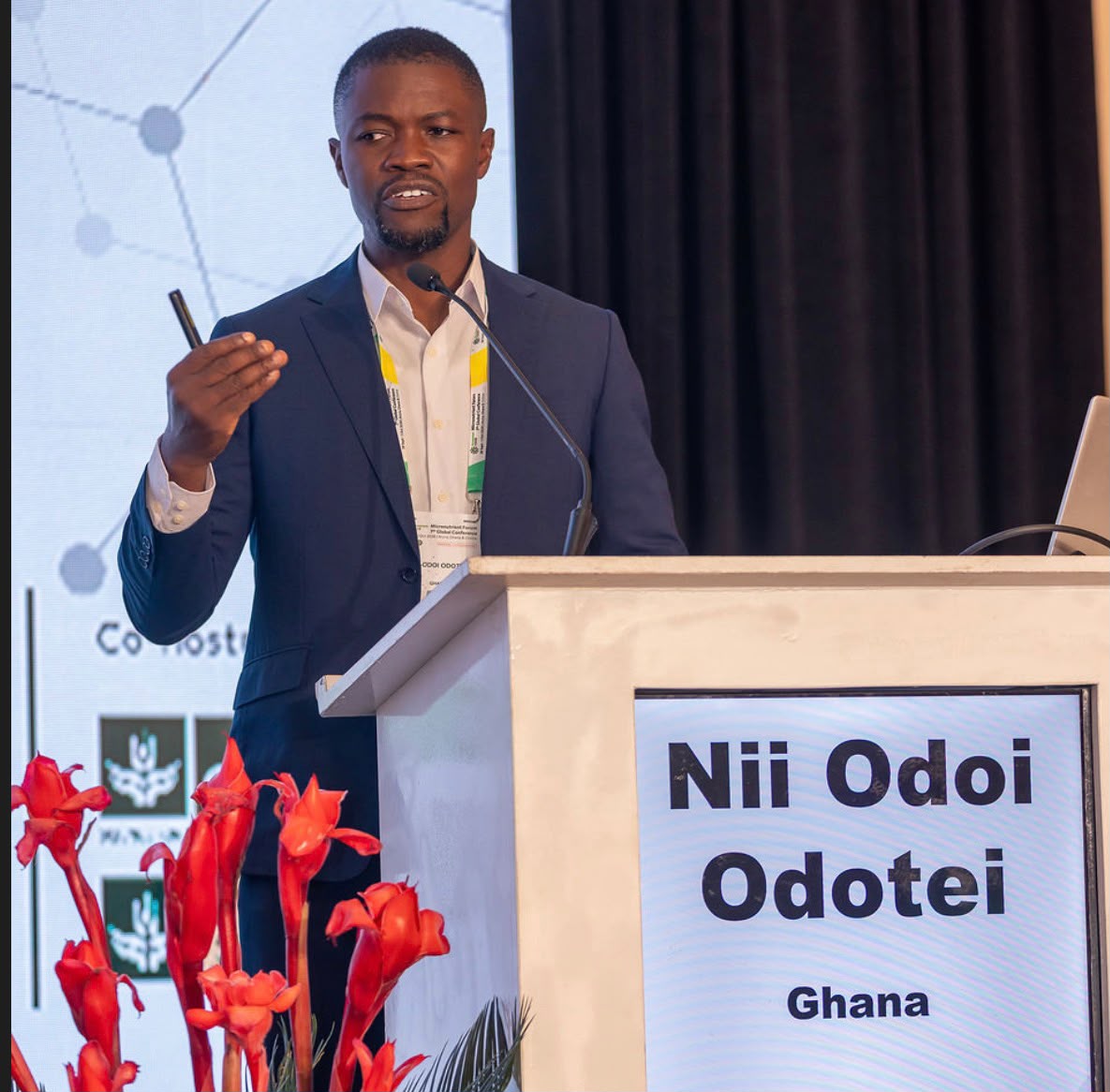
Presenting on the state of maternal mortality in Ghana, Mr. Nii Odoi Odotei, a Principal Planning Analyst at the National Development Planning Commission, reported that the maternal mortality ratio remains unacceptably high at 301 deaths per 100,000 live births.
Analysis of trends from 2010 to 2021 shows that while Ghana has made some progress, the country still lags behind the global average of 197 deaths per 100,000 live births. The Sustainable Development Goal target for 2030 is 70 deaths per 100,000 live births.
Mr. Odotei highlighted significant regional disparities, with the Upper East Region recording the highest maternal mortality ratio at 465, followed by the Volta Region at 383. Greater Accra recorded the lowest ratio at 191. Women in rural areas, those with low levels of education and those in the lowest wealth quintile remain most at risk.
“Nearly one in ten women still face a lifetime risk of dying from maternal causes,” he noted, underscoring the urgent need for accelerated, system wide action.